What is Demolition?
For businesses working in the construction industry there may come a time when a project requires consideration as to whether a building needs partial or full demolition and dismantling, or maybe a partial strip out.
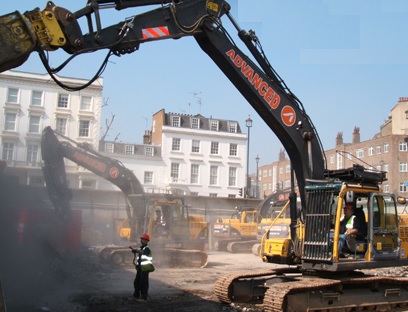
Demolition is skilled and potentially dangerous work, so before any of these processes can be carried out on a building or structure, it is advisable to consult the expertise of a professional demolition company. Experienced demolition contractors will offer a full inspection and site survey of the work required, then report back on the different industry techniques and how best they can be executed.
When looking up the word ‘demolition’ in the dictionary, you will find the following meaning:
Demolition (noun): the act of destroying something, such as a building or other structure:
‘They tried unsuccessfully to stop the demolition of the old building’.
Demolition means to demolish, deconstruct, or dismantle manmade structures or buildings, but there is a big difference between these associated terms.
Dismantle involves taking a building apart piece by piece preserving as many of the elements as possible, maybe for recycling and waste management purposes. Therefore, a site survey is important to assess a building’s overall structure, its components, glass, and woodwork, or to see if there are any items of heritage that may need to be removed carefully for reuse or storage.
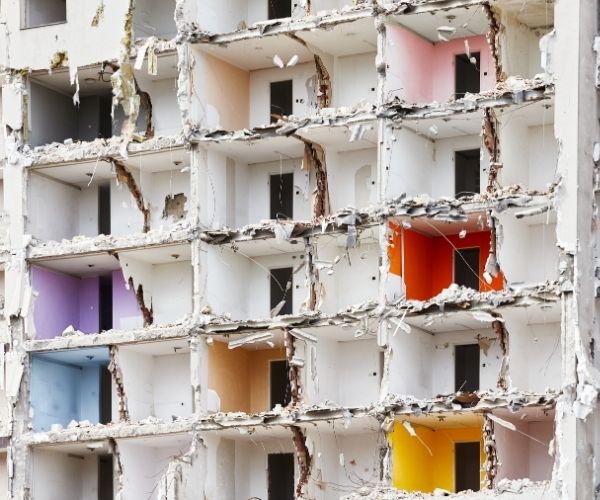
Deconstruction considerations are generally based on either structural and non-structural circumstances, non-structural is also referred to as ‘strip out’ or ‘soft stripping’, this involves removing components like windows, doors, and internal materials that can be sold or reused. This process is also referred to as selective demolition which is becoming more popular in our eco-conscious world.
Rather than destroying a building completely, selective demolition involves removing sections of a building while retaining its structure and leaving the shell behind for refurbishment.
Structural deconstruction involves dismantling a buildings structural components to reclaim and salvage costly or other reusable materials like bricks, stone, slate, tiles, and wood for example.
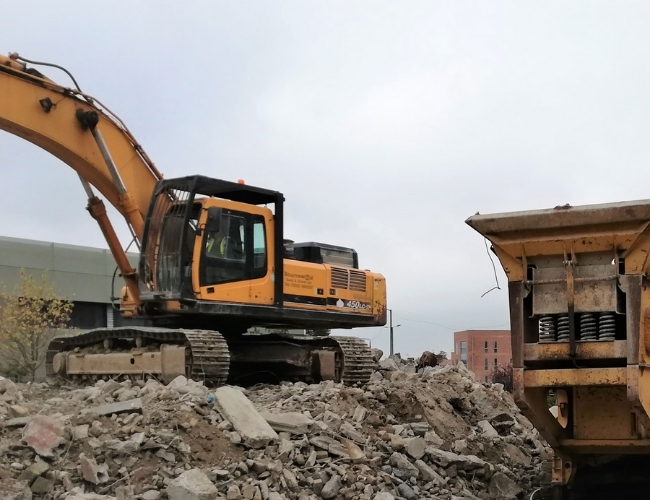
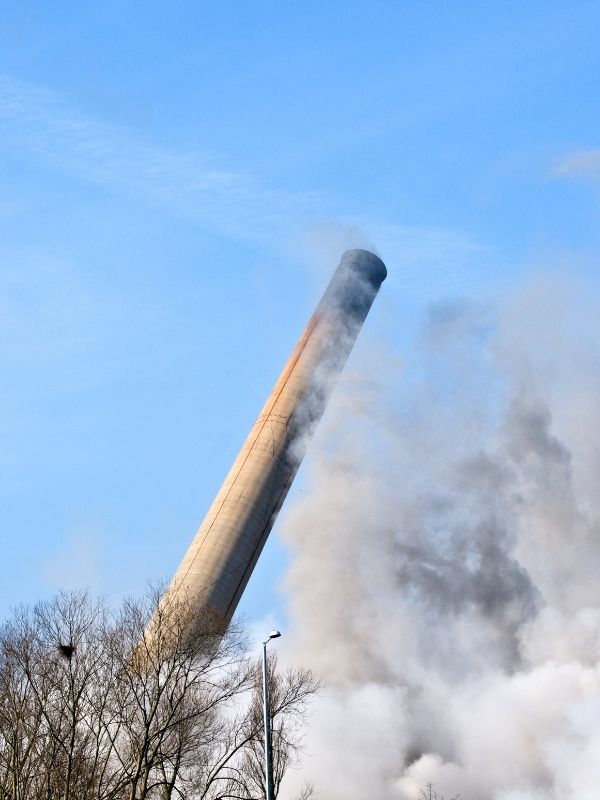
Complete and partial are the two main terms used in the demolition business, with complete demolition the most common process carried out in the industry. This is achieved by removing all trace of a building or structure from above the ground, sometimes also from below ground.
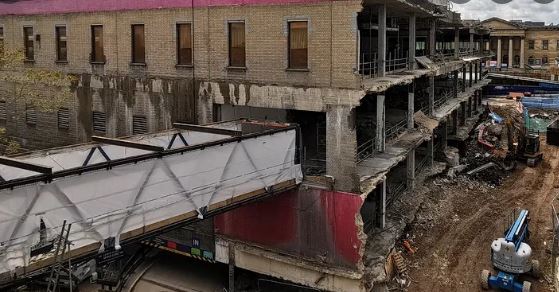
Partial demolition is far more intricate and requires additional planning work, extra support is normally required for the parts of the building that will remain, this may involve the demolition contractor using processes like window strutting, floor props or shoring.
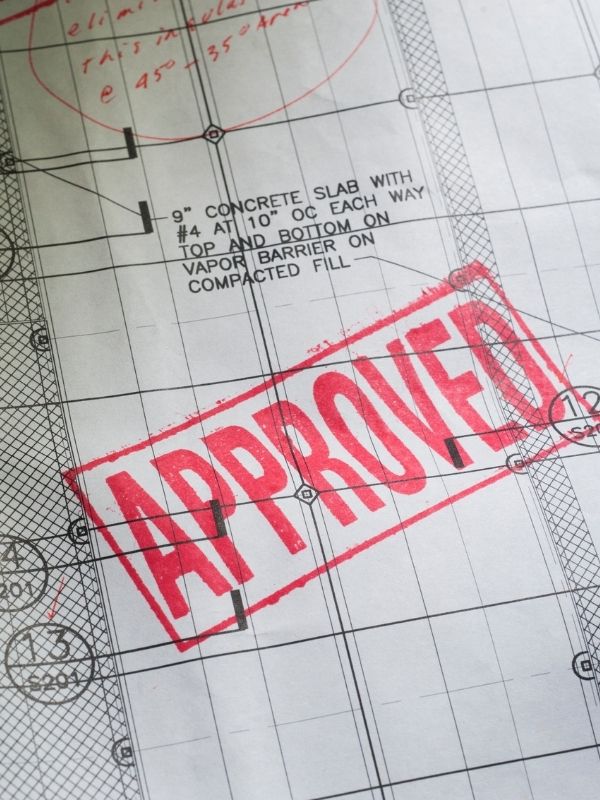
In England and Wales, you will need to inform your local authority building’s control department in writing a minimum of six weeks in advance of any demolition works. In Scotland, you are required to obtain a demolition warrant prior to any work commencing.
It is also important that utilities providers and any adjacent or adjoining building owners are well informed in advance of any planned work, especially if party walls are involved and are affected.
However, not all buildings require such notification, for example: buildings below 1750 cubic feet or 50 cubic metres, or temporary buildings standing for no more than 28 days, greenhouses, prefabricated garages, conservatories, sheds or detached agricultural buildings are not as strict.
To ensure compliance with local by-laws it is recommended checking with your local authority prior to any demolition work being carried out, especially for work on properties in Scotland which require a warrant.
Listed buildings or structures in a conservation area should notify and liaise with the local conservation officer to obtain pre-demolition requirements, this may include shoring to protect adjacent buildings against damage, collapse, water damage, debris-disposal, and safety measures.
Seek professional advice for all medium to large-scale demolition projects, request a report from a structural engineer to carry out a detailed survey to include the demolition process and what impact the removal of parts will have on the structure and neighbouring properties.
You may also want to obtain a pre-demolition asbestos survey in case you need to employ an asbestos specialist to remove material from the construction site before work begins, some demolition companies already have experts on their team and offer this service.
Regarding construction regulations and health and safety requirements, more information can be found on the HSE website: www.hse.gov.uk/construction/safetytopics/demolition.htm.

Read more